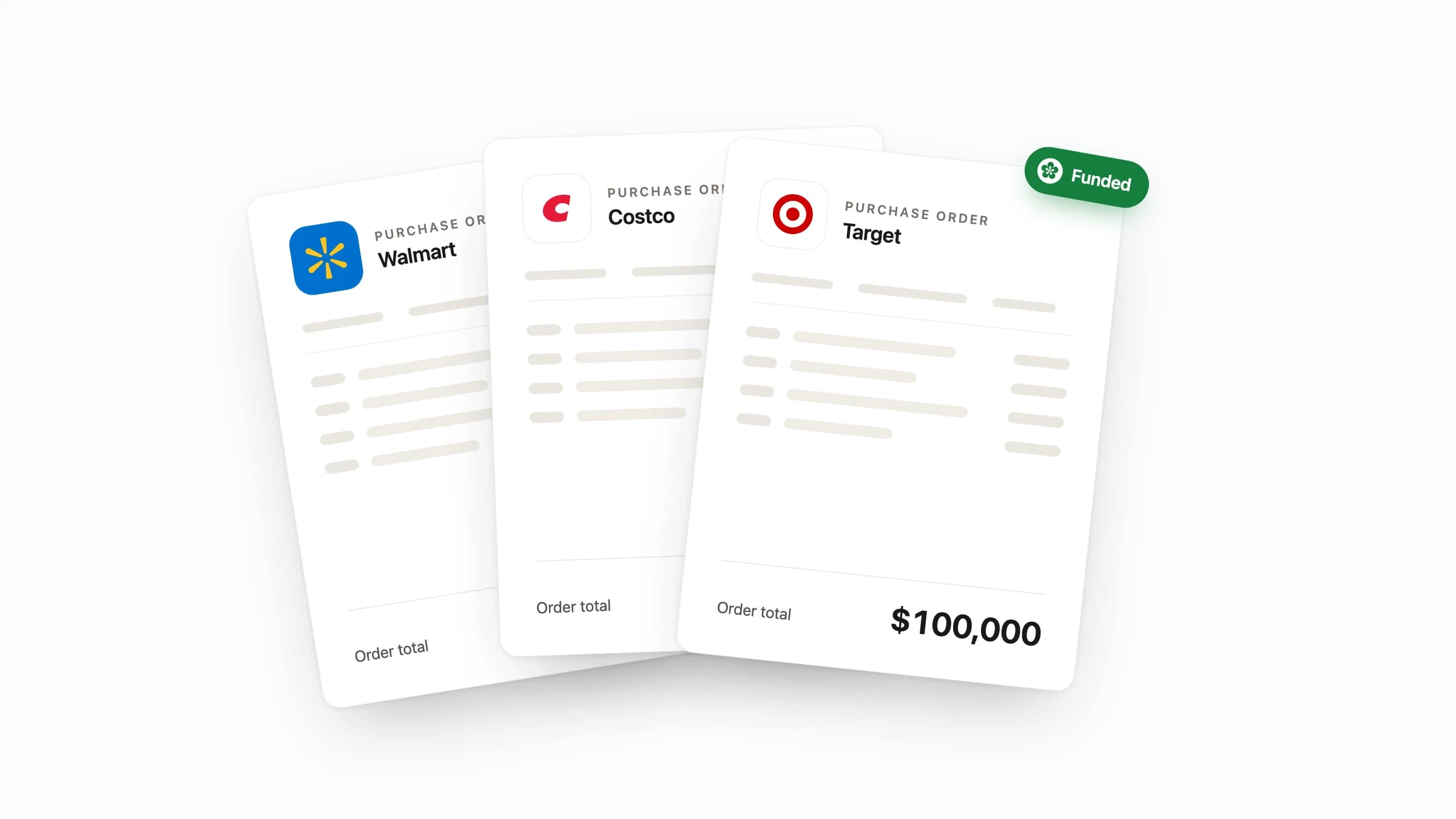
Alleyoop's founders on a five-to-six-month sprint into a full-brand Target launch, and why they wanted a funding partner that could run at their pace.
Last edited 5 min read
Leila Kashani was a busy executive with too many products on her bathroom counter. She had spent years launching brands inside other companies, and she kept asking the same question: why couldn't one product do more than one job? In late 2019 she answered it herself with Alleyoop, a line of multi-use beauty products that let you get ready faster and carry less. In mid-September, Alleyoop went live in more than 600 Target stores.
We were proud to help fund that launch. For the first story in our series on what it takes to land and launch a big retailer, we asked her husband and co-founder, COO David Manshoory, how it came together.
One product, more than one job
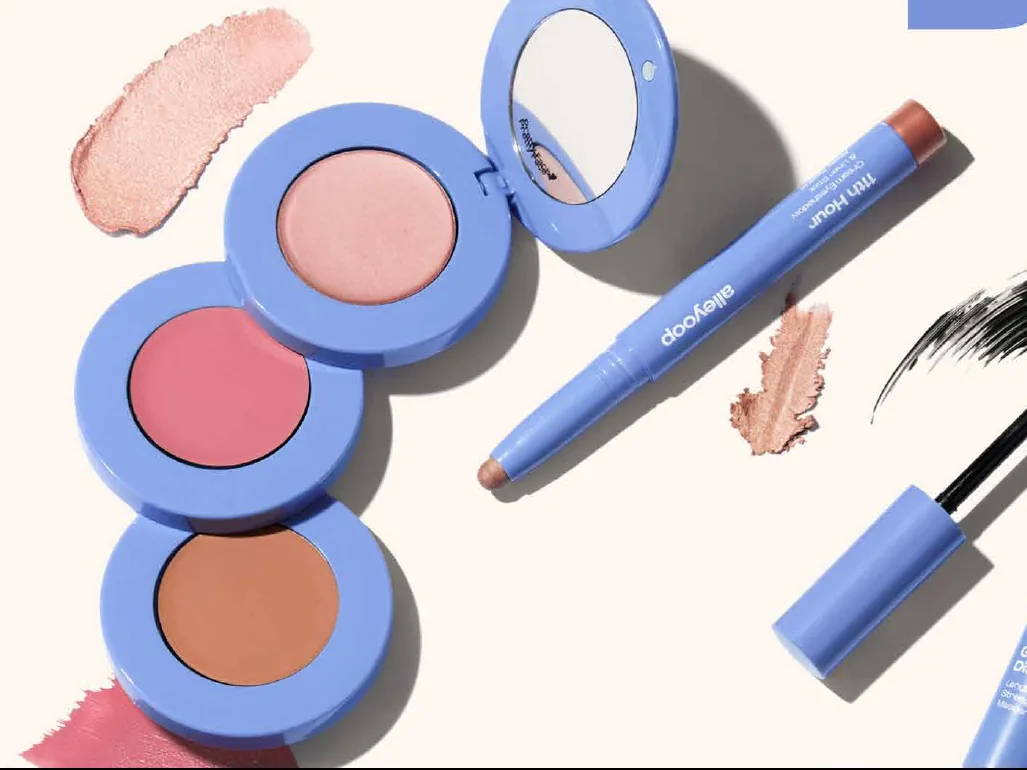
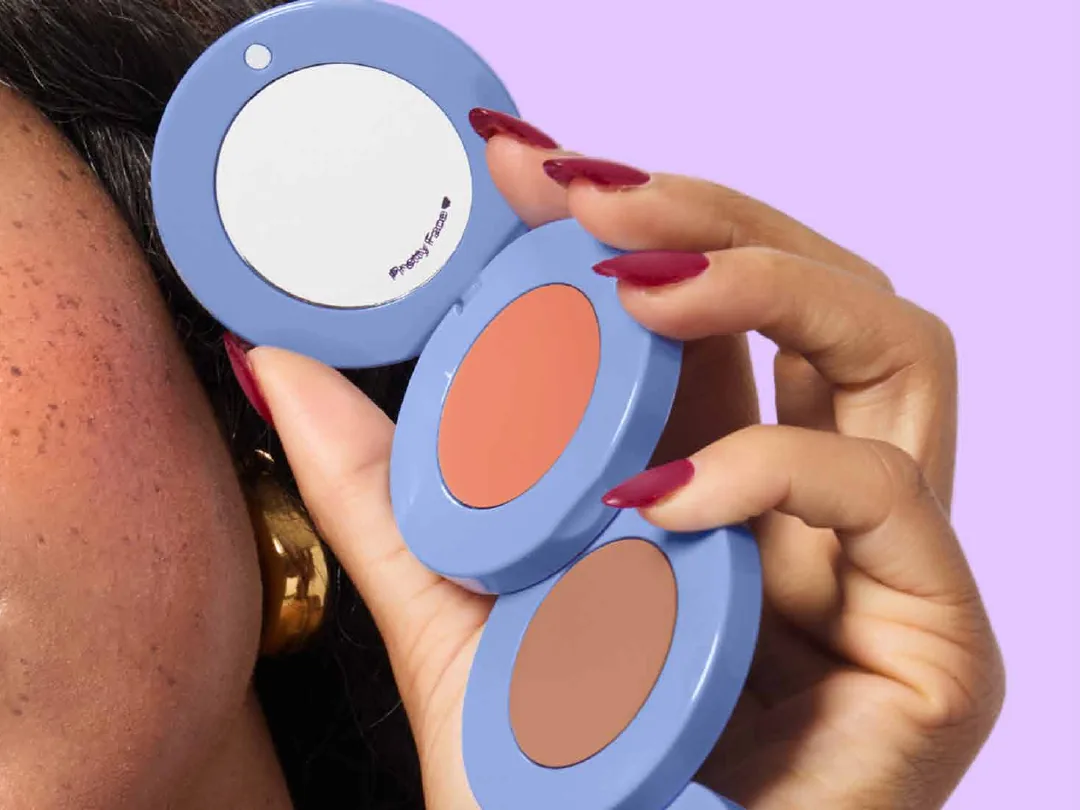
Leila built the brand around a single idea: a product earns its place in your bag by doing two or three things. A compact stacks blush, bronzer and highlighter. A click pen holds an eyeliner, a lip liner, a brow pencil and a highlighter. A brush has a second brush on the other end.
My wife is really the creative genius behind Alleyoop. She saw an opportunity, as a busy executive, to simplify a woman's beauty routine. She always felt very overwhelmed by the number of products. As she was looking at the beauty industry, she was like, "Why hasn't anybody reimagined beauty products, where one product could do more than one thing and I can get ready in half the time?"
David joined to run everything behind the product.
I got recruited as the first employee. We make great partners, because I'm very much an ops and finance guy, and she's all about brand, product, marketing and creative. And so we went off to the races.
Built for the shelf
Alleyoop started online, selling direct and then on Amazon, but retail was always the plan.
We always knew we would expand into retail. You never want to rely on only one channel in case something goes wrong, like Meta goes whack or Amazon goes whack. But also, in beauty, the majority of purchases are still in retail stores: discovery, playing with testers, shade swatching, which is very big in makeup.
By last year the brand was in a couple hundred independent doors, had partnered with Ulta.com, and launched with a large beauty chain in Korea. Target was a different scale of foot traffic.
The call with Target
In the fourth quarter of last year, an introduction led to a call with Target's beauty buyer about launching in more than 600 stores.
My wife and I got on a call with the beauty buyer. We got off the call, my wife looked at me, and she was like, "We're launching at Target." And I was like, "Let's do it."
It was close to a full-brand launch: most of the line, in a 4-foot by 2-foot placement on the shelf.
That's when, in my mind, I was like, "I need to think through the financing." This was a lot of SKUs, I think 40 or 50. So we knew the capital needs would be quite intensive, to bring in enough inventory to support not just the opening order, but inventory for a six- to nine-month period. And I didn't want to use cash to do that. We wanted to feel like we had a partner, so we could preserve our equity for all the other things we needed to do to support Target. We had to hire new employees, get a marketing plan in place and put marketing in motion before the launch.
A five-month sprint
Alleyoop had about five months to get most of a brand onto the shelf.
We basically had five to six months to get all of our inventory to Target. We had to airship a lot of our inventory. We couldn't do ocean freight. So we absorbed some increased production costs.
We just had to pull every string we could to partner with factories and try to get everyone to accelerate their production timelines, bring the inventory in, pack it out and ship it out to Target in time. We made it within days.
A partner at their pace
Production had to start months before Target's official award arrived, so the funding had to start then too. That ruled out anyone slow.
You guys were also down to finance without the official business award yet. That almost has to happen, because these retailers give it to you about a month before you need to ship in, but you're already placing orders five months in advance of that, off the soft business award.
Once the goods shipped, the same partner kept pace. Spring connects directly to Alleyoop's Target portal, so there is nothing to upload: their invoices and payments flow in on their own, and funding against them takes a few clicks.
Something that sounds small: we're in Slack together, and I can message you and hop on a call at any time. You don't have that with traditional lenders.
When I give you a bill of lading and you know it's been picked up, you're giving me AR financing knowing it's in Target's hands. That's super valuable to me.
Because the timeline was so tight, I needed a lender that could run with us at our pace.For us, the speed and the relationship and the ease of use were really valuable.
On the shelf
Alleyoop is in more than 600 Target stores and online at meetalleyoop.com. Thanks to David and Leila for telling us how they got there, and for letting us run with them.
Most big retail launches have a stretch like Alleyoop's. The retailer says yes, production has to start months before the official award arrives, and the brand needs a partner that can move at its pace. If you've landed a purchase order bigger than your bank balance, Spring was built for that moment.